


jljl | Enhancing Literacy: Exploring the 'Reading Skills' Game Category
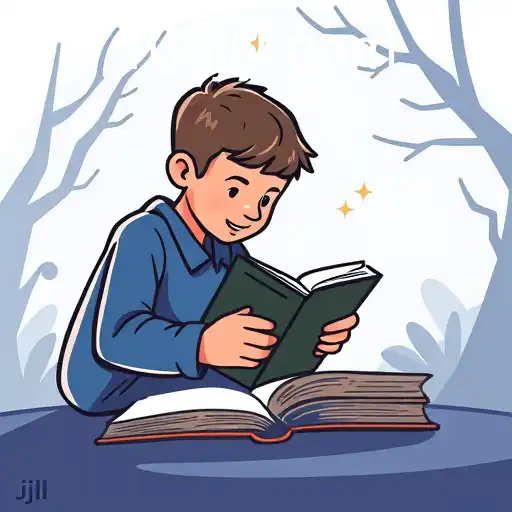
In an era where digital interaction dominates, the 'Reading Skills' category on various educational platforms plays a crucial role in marrying fun with learning. By engaging users with interactive and thoughtful content, this genre of games aids in the development and enhancement of literacy, ensuring that reading becomes as enjoyable as it is educational.
The core aim of the 'Reading Skills' category is to address different aspects of reading proficiency. This includes but is not limited to comprehension, vocabulary building, spelling, and critical thinking. Each game is meticulously designed to cater to varying levels of literacy, thus providing tailored experiences for every age group, from young children in kindergarten developing their phonics to adults honing their analytical skills through complex passages.
For younger audiences, these games often feature colorful interfaces, familiar characters, and reward systems that encourage continued engagement. Games focusing on keyword recognition, such as those using 'jljl', integrate pattern recognition and phonemic awareness, crucial steps in learning how to read effectively. These games strategically incorporate visual aids and sound effects, transforming the learning process into an immersive adventure.
Older players, on the other hand, benefit from games that challenge their comprehension and critical thinking. Through increasingly complex stories and information puzzles, these games push users to apply what they've learned actively. This not only aids in reinforcing vocabulary but also improves reading speed and retention.
The integration of 'Reading Skills' games in education is increasingly recommended by educators who recognize the need for a unifying bridge between traditional learning methods and modern technological solutions. By gamifying reading, learners can experience less anxiety and more encouragement while exploring new words and ideas.
Overall, the 'Reading Skills' category serves as a powerful tool that transforms how individuals across all age-groups view and interact with the written word. Through these engaging games, players not only improve their literacy but also develop a lifelong love of reading, embodying the phrase 'learning through play.'
